
BLOG
GLP Supplements That Work — The Complete Guide to Over the Counter GLP-1 Options in 2026
Glp supplements that work The extraordinary clinical success of prescription GLP-1 receptor agonists — semaglutide, tirzepatide, and the emerging retatrutide — has sparked one of the most searched questions in metabolic health in 2026: is there an over the counter GLP-1 that actually works? Millions of people who cannot access, afford, or tolerate prescription GLP-1 medications are turning to GLP-1 supplements over the counter in search of meaningful metabolic support — and the landscape of available options has never been more scientifically interesting or more commercially crowded.
The honest answer is nuanced. No OTC GLP-1 supplement can replicate the potency of pharmaceutical semaglutide or tirzepatide — those compounds bind directly and powerfully to GLP-1 receptors with a pharmacological precision that natural compounds cannot match. However a growing body of evidence supports the idea that certain GLP-1 weight loss supplements and GLP1 natural supplement ingredients can meaningfully stimulate endogenous GLP-1 secretion, slow gastric emptying, improve insulin sensitivity, and support appetite regulation through mechanisms that overlap with — though do not equal — the effects of prescription GLP-1 agonists.
This comprehensive guide from Peptides Lab covers everything — from the biology of natural GLP-1 secretion to the most evidence-supported GLP-1 like supplements, what a genuinely effective GLP-1 supplement pill should contain, how to build an OTC GLP-1 supplement stack, and what realistic results look like when you approach natural GLP-1 support with scientific rigor.
What Are GLP Supplements and Is There an Over the Counter GLP-1 That Actually Works?
Before answering whether there is an over the counter GLP-1 that works, it is essential to understand what GLP-1 is, what it does, and why its effects are so sought after.
GLP-1 — glucagon-like peptide-1 — is an incretin hormone produced and secreted by L-cells in the small intestine and colon in response to food intake. Its primary physiological roles are:
- Stimulating insulin secretion from pancreatic beta cells in a glucose-dependent manner
- Suppressing glucagon secretion from pancreatic alpha cells — reducing hepatic glucose output
- Slowing gastric emptying — prolonging the feeling of fullness after meals
- Acting on hypothalamic appetite centers to reduce hunger and food-seeking behavior
- Promoting satiety signals that reduce overall caloric intake
These combined effects explain why GLP-1 receptor agonists produce such impressive weight loss outcomes — and why the question of whether GLP-1 supplements over the counter can activate any part of this system is so important for the millions who cannot access prescription options.
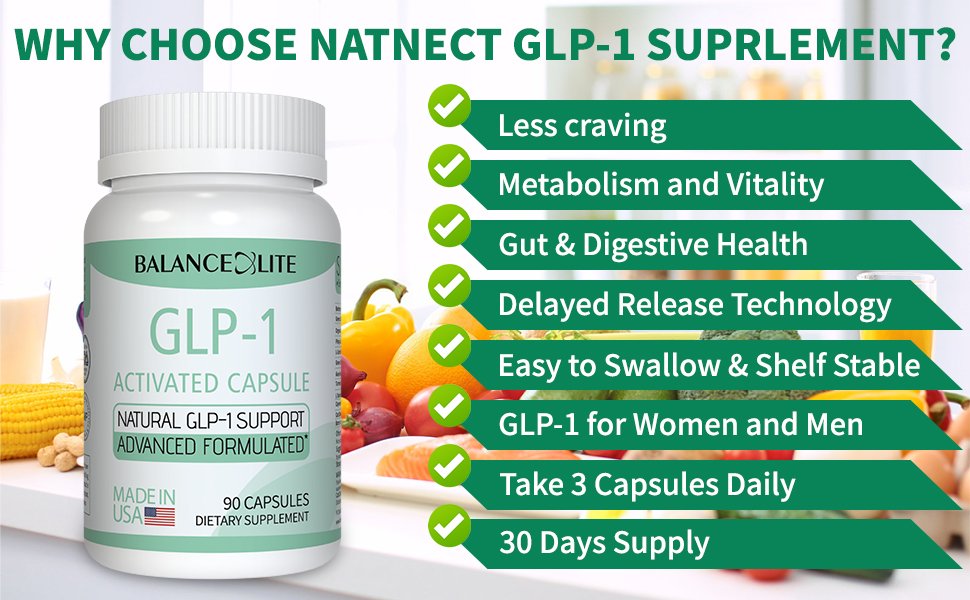
Is there an over the counter GLP-1 equivalent for those who cannot access prescription options?
The most accurate answer is: not an equivalent — but potentially a meaningful partial alternative. GLP-1 like supplements that stimulate endogenous GLP-1 secretion from intestinal L-cells operate through the body’s own GLP-1 production machinery rather than bypassing it with a pharmacological receptor agonist. The result is a more modest but genuinely physiological GLP-1 response — one that can support metabolic health, appetite regulation, and weight management without the potency — or the side effect profile — of prescription GLP-1 drugs.
GLP-1 Supplements Over the Counter — Understanding What You Can and Cannot Buy Without a Prescription
The GLP-1 supplements over the counter landscape in 2026 falls into two distinct categories that are frequently confused in marketing:
Category 1 — GLP-1 secretagogues: Natural compounds that stimulate intestinal L-cells to produce and secrete more endogenous GLP-1. These work within the body’s existing GLP-1 production system. Examples include dietary fiber, resistant starch, berberine, and certain polyphenol compounds.
Category 2 — GLP-1 receptor activity supporters: Compounds that support downstream pathways related to GLP-1 signaling — improving insulin sensitivity, reducing glucagon-like activity, or supporting the metabolic processes that GLP-1 normally facilitates. Examples include bitter melon extract, chromium, and alpha-lipoic acid.
Understanding this distinction is critical for evaluating any GLP-1 supplement pill — because the mechanism determines both the realistic expectations and the appropriate dosing strategy.
GLP-1 Weight Loss Supplements — How They Work and What the Research Actually Shows
GLP-1 weight loss supplements that operate as L-cell secretagogues work primarily through two biological mechanisms:
Short-chain fatty acid production: When dietary fiber and resistant starch are fermented by gut bacteria in the colon, the primary byproducts are short-chain fatty acids — particularly butyrate, propionate, and acetate. These SCFAs directly stimulate L-cell GLP-1 secretion through free fatty acid receptors (FFAR2 and FFAR3) expressed on colonic L-cells. This is the foundational mechanism behind fiber-based GLP-1 weight loss supplements and explains why high-fiber diets are consistently associated with better metabolic outcomes in epidemiological research.
Direct L-cell stimulation: Certain compounds — most notably berberine and specific bitter compounds — directly stimulate GLP-1 secretion from intestinal L-cells through mechanisms including bitter taste receptor activation, AMPK pathway modulation, and direct GPR119 receptor agonism. These direct L-cell stimulants represent the most pharmacologically targeted category of GLP-1 like supplements currently available without a prescription.
GLP-1 weight loss supplements — the role of the L-cell in natural GLP-1 production
Intestinal L-cells are the gatekeepers of endogenous GLP-1 production. They are distributed throughout the small intestine and colon with the highest density in the terminal ileum and proximal colon — the regions most exposed to fermented dietary fiber and unabsorbed nutrients. Any OTC GLP-1 supplement strategy that aims to maximize natural GLP-1 secretion must prioritize delivering the right substrates and stimulants to these cells.
GLP-1 Supplement Pill — What to Look for and What to Avoid on Store Shelves and Online
The explosion of interest in GLP-1 weight loss supplements has produced a flood of products making exaggerated claims. Here is what a genuinely evidence-based GLP-1 supplement pill should contain:
Markers of a legitimate GLP-1 supplement pill:
- Standardized active ingredients — berberine should be standardized to a minimum of 97% berberine HCl; fiber ingredients should specify prebiotic fiber type and concentration
- Clinically relevant dosages — berberine at 500mg three times daily; psyllium husk at 5–10g per serving; resistant starch at 10–20g per serving. Products containing trace amounts of active ingredients for label decoration are worthless
- Third-party testing and COA — any reputable GLP-1 supplement pill should provide independent verification of ingredient identity and concentration
- Transparent label — no proprietary blends that hide individual ingredient dosages behind a combined total
- Realistic claims — no product claiming to “replace Ozempic” or produce “pharmaceutical-grade GLP-1 results” without a prescription is being honest with you
GLP-1 supplement pill — what to avoid:
- Proprietary blends with undisclosed individual ingredient amounts
- Single-ingredient products at sub-therapeutic doses
- Claims of direct GLP-1 receptor agonism — no OTC compound binds GLP-1 receptors with pharmaceutical efficacy
- Products containing only marketing-friendly ingredients with no L-cell secretagogue activity
GLP-1 Like Supplements — Natural Compounds That Mimic GLP-1 Receptor Activity
Here is the most comprehensive evidence-based ranking of GLP-1 like supplements currently available without a prescription:
1. Berberine — The Most Studied GLP1 Natural Supplement
Berberine is an isoquinoline alkaloid found in several plants including Berberis vulgaris (barberry), Berberis aristata, and Coptis chinensis. It is the single most studied GLP1 natural supplement for metabolic health and has accumulated a substantial evidence base across multiple clinical trials.
Mechanisms relevant to GLP-1 activity:
- Direct stimulation of GLP-1 secretion from intestinal L-cells — demonstrated in both in-vitro and animal studies
- AMPK activation — the same energy-sensing enzyme pathway activated by metformin, producing overlapping metabolic benefits
- Inhibition of DPP-4 — the enzyme that rapidly degrades endogenous GLP-1, thereby extending the active life of naturally secreted GLP-1
- GPR119 partial agonism — a receptor directly linked to GLP-1 secretion in intestinal enteroendocrine cells
Clinical evidence: A meta-analysis of 27 randomized controlled trials found berberine at 500mg three times daily produced significant reductions in fasting blood glucose (−0.92 mmol/L), HbA1c (−0.71%), and body weight (−1.78 kg) compared to placebo. While modest compared to prescription GLP-1 agonists, these effects are clinically meaningful and represent the strongest evidence base of any OTC GLP-1 supplement ingredient.
2. Psyllium Husk — The Premier Fiber-Based GLP-1 Supplement
Psyllium husk is a soluble viscous fiber that forms a gel matrix in the gastrointestinal tract — slowing gastric emptying, delaying glucose absorption, and providing the fermentable substrate that drives colonic SCFA production and L-cell GLP-1 stimulation.
GLP-1 relevant evidence:
- Published studies demonstrate that psyllium supplementation at 5–10g before meals significantly increases postprandial GLP-1 secretion compared to control
- The viscous gel matrix produced by psyllium directly mimics one of GLP-1’s primary mechanisms — gastric emptying delay — through a physical rather than pharmacological mechanism
- Consistent reduction in postprandial glucose and insulin spikes across multiple human trials at 5–10g per serving
3. Resistant Starch — The Prebiotic GLP-1 Amplifier
Resistant starch — starch that escapes digestion in the small intestine and reaches the colon intact — is the premier substrate for colonic SCFA production and the most direct dietary driver of the butyrate-FFAR2 pathway that stimulates L-cell GLP-1 secretion.
OTC GLP-1 supplement evidence:
- Human trials using 20–30g daily resistant starch supplementation have demonstrated significant increases in fasting and postprandial GLP-1 and PYY — a complementary satiety hormone
- Improvements in insulin sensitivity independent of weight loss observed in multiple trials
- Dose-dependent increases in colonic butyrate production confirmed across multiple feeding studies
4. Bitter Melon Extract — The GLP1 Natural Supplement with Direct L-Cell Activity
Bitter melon (Momordica charantia) contains multiple bioactive compounds — charantin, polypeptide-p, and vicine — that collectively produce insulin-sensitizing and GLP-1 secretagogue effects.
GLP-1 mechanism:
- Direct stimulation of intestinal L-cells through bitter taste receptor (TAS2R) activation — an emerging mechanism for natural GLP-1 secretion that has attracted significant research attention
- Charantin demonstrates glucose-lowering activity in multiple animal and early human studies through mechanisms overlapping with GLP-1 pathway activation
- Extract standardization to 10% charantin is the minimum for meaningful biological activity
5. Inulin and Fructooligosaccharides (FOS) — Prebiotic GLP-1 Support
Inulin and FOS are prebiotic fibers that selectively feed GLP-1-stimulating Bifidobacterium and Lactobacillus species in the colon while driving SCFA production through fermentation.
GLP-1 relevant evidence:
- A published systematic review found inulin-type fructan supplementation significantly increased postprandial GLP-1 and PYY concentrations while reducing fasting glucose compared to placebo
- Daily doses of 10–20g inulin produce consistent increases in colonic butyrate and measurable improvements in subjective appetite scores in human trials
- Particularly effective when combined with resistant starch in a combined OTC GLP-1 supplement fiber stack
6. Gymnema Sylvestre — The Sugar Destroyer with GLP-1 Pathway Activity
Gymnema sylvestre contains gymnemic acids that suppress sweet taste receptor activity in the gut — reducing glucose absorption and directly stimulating insulin secretion through mechanisms that partially overlap with GLP-1 signaling.
Relevant mechanism:
- Gymnemic acids stimulate insulin secretion from pancreatic beta cells through GLP-1-independent mechanisms that produce complementary metabolic effects
- Reduction in postprandial glucose consistently demonstrated across human trials at 400–800mg gymnemic acid daily
- Appetite suppression through sweet taste receptor modulation — reducing cravings for high-sugar foods that would otherwise blunt GLP-1 response
OTC GLP-1 Supplement — The Most Researched Ingredients Ranked by Evidence Strength
| Ingredient | GLP-1 Mechanism | Evidence Level | Effective Dose | Key Study |
|---|---|---|---|---|
| Berberine | L-cell stimulation, DPP-4 inhibition, AMPK | Very strong | 500mg 3x daily | Meta-analysis 27 RCTs |
| Psyllium husk | SCFA production, gastric emptying delay | Strong | 5–10g before meals | Multiple human RCTs |
| Resistant starch | Colonic butyrate → FFAR2 → L-cell | Strong | 20–30g daily | Multiple human trials |
| Inulin/FOS | Prebiotic SCFA → L-cell stimulation | Moderate-strong | 10–20g daily | Systematic review |
| Bitter melon | TAS2R activation, L-cell stimulation | Moderate | 1–3g extract (10% charantin) | Multiple RCTs |
| Gymnema sylvestre | Beta cell stimulation, sweet receptor | Moderate | 400–800mg gymnemic acid | Human trials |
| Alpha-lipoic acid | AMPK → insulin sensitivity | Moderate | 600mg daily | Multiple human trials |
| Chromium picolinate | Insulin signaling support | Moderate | 200–400mcg daily | Multiple RCTs |
GLP-1 Weight Loss Supplements vs. Prescription GLP-1 Agonists — How Do They Compare?
Intellectual honesty requires a direct comparison. Here is the most accurate assessment of GLP-1 weight loss supplements versus prescription options:
| Factor | OTC GLP-1 Supplements | Prescription GLP-1 Agonists |
|---|---|---|
| Mechanism | Endogenous GLP-1 stimulation | Direct GLP-1 receptor agonism |
| Potency | Modest — 5–15% GLP-1 elevation | Profound — sustained supraphysiological GLP-1 activity |
| Weight loss (average) | 2–5% body weight over 12–24 weeks | 15–24% body weight over 48–72 weeks |
| Prescription required | No | Yes |
| Cost | $30–$80/month | $900–$1,800/month without insurance |
| Side effects | Generally mild — GI adjustment | Nausea, vomiting, GI disturbance (often significant) |
| Availability | Widely available OTC | Prescription only — often with shortages |
| Best for | Metabolic support, prevention, adjunct therapy | Significant obesity, type 2 diabetes, metabolic syndrome |
The conclusion is clear — GLP-1 weight loss supplements are not a replacement for prescription GLP-1 agonists in individuals with significant clinical need. They are however a meaningful, accessible, and far more affordable option for individuals seeking metabolic support, weight management assistance, and GLP-1 pathway activation without the prescription requirement, cost, or side effect profile of pharmaceutical options.
How to Build a Complete OTC GLP-1 Supplement Stack for Weight Management
An effective OTC GLP-1 supplement stack combines a direct L-cell secretagogue with prebiotic fiber support and complementary metabolic support ingredients:
Morning (with breakfast):
- Berberine 500mg — direct L-cell stimulation and DPP-4 inhibition
- Psyllium husk 5g in water 15 minutes before eating — gastric emptying delay and viscous gel formation
- Alpha-lipoic acid 300mg — AMPK activation and insulin sensitivity support
With largest meal of the day:
- Berberine 500mg — repeat dosing for sustained DPP-4 inhibition
- Resistant starch 15–20g (raw potato starch or green banana flour) mixed in water — colonic SCFA substrate
- Gymnema sylvestre 400mg — sweet taste receptor modulation and beta cell support
Evening (with dinner or before bed):
- Berberine 500mg — final daily dose
- Inulin or FOS 10g — overnight prebiotic fermentation and morning GLP-1 response support
- Bitter melon extract 1g (standardized to 10% charantin) — complementary L-cell activation
Total daily investment: Approximately $4–6 per day from quality verified sources — representing less than 10% of the monthly cost of prescription GLP-1 agonists.
GLP1 Natural Supplement — Berberine, Inulin, and Beyond — What Nature Offers for GLP-1 Support
The GLP1 natural supplement landscape in 2026 is the most evidence-rich it has ever been — driven by the surge of interest in GLP-1 biology following the commercial success of semaglutide and the resulting explosion of research into natural GLP-1 pathway modulators.
What nature offers is not a pharmaceutical equivalent — but it is a genuine and increasingly well-characterized set of tools for supporting the body’s own GLP-1 production machinery. The combination of berberine’s direct L-cell activity, dietary fiber’s SCFA-driven colonic stimulation, and bitter compounds’ TAS2R-mediated secretagogue effects represents a multi-pathway approach to endogenous GLP-1 support that the research increasingly validates as clinically meaningful.
The key principle for anyone approaching GLP1 natural supplement protocols is the same principle that governs all evidence-based supplementation — mechanism, dose, and quality. A well-formulated, properly dosed GLP-1 supplement pill containing verified-purity ingredients at clinically studied concentrations is a fundamentally different product from the vast majority of commercially marketed GLP-1 support supplements that contain trace amounts of fashionable ingredients at doses that produce no measurable biological effect.
Frequently Asked Questions
Is there an over the counter GLP-1 supplement that actually works?
No OTC GLP-1 supplement can replicate the potency of prescription GLP-1 receptor agonists — but several well-studied compounds including berberine, psyllium husk, resistant starch, and inulin have demonstrated meaningful stimulation of endogenous GLP-1 secretion in published clinical trials. When properly dosed and combined in a strategic stack they represent a genuinely evidence-based approach to natural GLP-1 pathway support.
What are the best GLP-1 supplements over the counter in 2026?
The best GLP-1 supplements over the counter based on published evidence are berberine (500mg three times daily), psyllium husk (5–10g before meals), resistant starch (20–30g daily), inulin/FOS (10–20g daily), and bitter melon extract (1g standardized to 10% charantin). Berberine has the strongest and most consistent evidence base of any single GLP-1 supplement pill ingredient.
How do GLP-1 weight loss supplements work differently from prescription GLP-1 drugs?
Prescription GLP-1 drugs bind directly and powerfully to GLP-1 receptors throughout the body — producing supraphysiological GLP-1 activity regardless of food intake. GLP-1 weight loss supplements work by stimulating the body’s own L-cells to produce more endogenous GLP-1 in response to food and gut bacterial activity — a more modest but physiologically natural mechanism.
Can a GLP1 natural supplement produce meaningful weight loss results?
Yes — clinical trial data shows that berberine at therapeutic doses produces average weight loss of approximately 1.5–2.5 kg over 12 weeks. Combined with fiber-based L-cell stimulants in a comprehensive GLP1 natural supplement stack the total metabolic effect can support meaningful weight management — though significantly less dramatic than pharmaceutical GLP-1 agonists. Lifestyle and dietary foundations remain essential for any GLP-1 weight loss supplement protocol to deliver results.
How long do GLP-1 supplements over the counter take to show results?
Most users report initial appetite regulation effects from GLP-1 supplements over the counter within 2–4 weeks of consistent use — particularly berberine’s DPP-4 inhibition and psyllium’s gastric emptying effects. Measurable weight loss and metabolic improvements typically emerge within 8–12 weeks of a complete OTC GLP-1 supplement stack protocol.
Are GLP-1 weight loss supplements safe for long-term use?
The primary GLP-1 weight loss supplements — berberine, psyllium, resistant starch, and inulin — all have favorable long-term safety profiles in published literature. Berberine has been used in traditional medicine for centuries and has demonstrated safety in clinical trials of up to 24 months. GI adjustment — mild bloating and changes in bowel habit — is the most commonly reported side effect during the first 1–2 weeks and typically resolves with dose titration. Individuals with diabetes taking blood glucose-lowering medications should consult a physician before starting any GLP-1 supplement pill protocol due to potential additive glucose-lowering effects.
Is berberine the best GLP1 natural supplement available in 2026?
Based on the breadth and consistency of published clinical evidence — yes. Berberine’s multi-mechanism activity across direct L-cell GLP-1 stimulation, DPP-4 inhibition, AMPK activation, and insulin sensitivity improvement makes it the most pharmacologically comprehensive GLP1 natural supplement available without a prescription. However it is most effective as part of a complete OTC GLP-1 supplement stack rather than as a standalone intervention.
Final Thoughts: GLP Supplements That Work — Natural Support for the GLP-1 Pathway in 2026
The question of whether there is an over the counter GLP-1 that works does not have a simple yes or no answer — but the evidence-based answer is more encouraging than the cynics suggest and more restrained than the marketers claim.
GLP-1 supplements over the counter represent a genuine and increasingly well-evidenced category of metabolic health support — not a pharmaceutical replacement but a meaningful natural complement to the lifestyle foundations that drive sustainable weight management and metabolic health. When formulated correctly, dosed appropriately, and sourced from verified suppliers, a complete OTC GLP-1 supplement stack built around berberine, dietary fiber, resistant starch, and complementary L-cell secretagogues can deliver real metabolic benefits for real people who cannot or choose not to access prescription GLP-1 options.
At Peptides Lab, every GLP-1 like supplement we carry is sourced from verified manufacturers, tested for ingredient identity and concentration by independent third-party laboratories, and formulated at clinically studied doses — because we believe that natural metabolic support deserves the same quality standards as every other compound in our research catalog.
Browse our complete GLP-1 supplements over the counter range, review our ingredient COAs, and build your natural GLP-1 support protocol with complete confidence — only at Peptides Lab.
References
- Drucker, D.J. (2006). The biology of incretin hormones. Cell Metabolism, 3(3), 153–165.
- Yin, J., et al. (2008). Efficacy of berberine in patients with type 2 diabetes mellitus. Metabolism, 57(5), 712–717.
- Dong, H., et al. (2012). Berberine in the treatment of type 2 diabetes mellitus — a systematic review and meta-analysis. Evidence-Based Complementary and Alternative Medicine, 2012, 591654.
- Reimer, R.A., et al. (2010). Inulin-type fructans and the secretion of satiety hormones GLP-1 and PYY — a systematic review. British Journal of Nutrition, 104(9), 1263–1276.
- Morita, T., et al. (1999). Ingestion of resistant starches increases fecal butyrate levels in both normal and colectomized rats. Journal of Nutrition, 129(9), 1778–1782.
- Anderson, J.W., et al. (2009). Psyllium supplementation in glycemic control — a meta-analysis of randomized controlled trials. American Journal of Clinical Nutrition, 90(6), 1510–1518.
- Leiherer, A., et al. (2013). Phytochemicals and their impact on adipose tissue inflammation and diabetes. Vascular Pharmacology, 58(1–2), 3–20.
- Tiwari, P., et al. (2014). Promising cytoprotective effects of bitter melon extract in diabetic nephropathy. Asian Pacific Journal of Tropical Disease, 4(4), 295–302.
- Brøns, C. & Vaag, A. (2009). Berberine — a potential metabolic modulator for type 2 diabetes. Diabetologia, 52(2), 198–200.
- Holst, J.J. (2007). The physiology of glucagon-like peptide 1. Physiological Reviews, 87(4), 1409–1439.
- Jastreboff, A.M., et al. (2023). Triple-Hormone-Receptor Agonist Retatrutide for Obesity. New England Journal of Medicine, 389(6), 514–526.
- Nauck, M.A. & Meier, J.J. (2016). The incretin effect in healthy individuals and those with type 2 diabetes — physiology, pathophysiology, and response to therapeutic interventions. Lancet Diabetes & Endocrinology, 4(6), 525–536.
