
Introduction
In modern peptide research, precision is everything. Unlike traditional compounds measured in large quantities, peptides are biologically active at extremely small doses, often measured in micrograms. Because of this sensitivity, even minor calculation errors can lead to inconsistent results, wasted materials, or unreliable experimental outcomes. This is why the peptide calculator has become one of the most essential tools used by researchers, laboratories, and peptide enthusiasts worldwide.
A Reconstitution Calculator is more than just a mathematical tool—it acts as a bridge between theoretical peptide science and practical laboratory execution. Whether preparing peptides for experimental observation, understanding concentration ratios, or ensuring accurate reconstitution, peptide calculators simplify complex calculations into reliable, repeatable processes. At Peptides Lab, we emphasize education and accuracy, and mastering the peptide calculator is one of the first steps toward responsible peptide handling and research success.
What Is a Peptide Calculator?
A peptide calculator is a digital or software-based system designed to help users determine correct peptide concentrations, dilution ratios, and dosage measurements. Peptides typically arrive in a lyophilized (freeze-dried) powder form, which must be reconstituted with a liquid solvent before use. The challenge arises when researchers must determine how much solvent to add and how much solution corresponds to a specific research dose.
Instead of manually performing conversions between milligrams, micrograms, milliliters, and syringe units, a Reconstitution Calculator automatically processes these variables and produces precise results. By entering information such as peptide quantity, diluent volume, and desired dosage, the calculator generates exact injection volumes or measurement units.
Reconstitution Calculator are widely used because they reduce calculation errors and standardize research preparation methods. In scientific environments where reproducibility is essential, consistency achieved through calculation tools ensures experiments can be repeated with reliable outcomes.
Why Is a Peptide Calculator Important?
The importance of a peptide calculator becomes clear when considering how potent peptide compounds are. Many peptides produce measurable biological responses at extremely low concentrations. A miscalculation of even a few micrograms can dramatically alter an experimental protocol. By using a peptide calculator, researchers maintain precise control over concentrations and dosing accuracy.
Another key advantage is efficiency. Manual calculations often require multiple steps, including unit conversion and concentration determination. A peptide calculator performs these processes instantly, allowing researchers to focus on experimental design rather than mathematical troubleshooting. Furthermore, peptides can be costly materials, and inaccurate measurements may result in unnecessary waste. Accurate calculations protect both research quality and financial investment.
Finally, peptide calculators promote standardized scientific practices. When calculations are performed consistently across experiments, researchers can compare data more effectively and maintain high methodological integrity.
How a Peptide Calculator Works
At its core, a peptide calculator relies on three fundamental variables: the amount of peptide contained in a vial, the volume of diluent added during reconstitution, and the desired research dose. Once these values are entered, the calculator determines the resulting concentration and calculates how much solution corresponds to the target dosage.
For example, a researcher working with a 10-milligram peptide vial might add two milliliters of bacteriostatic water to dissolve the powder. The calculator converts milligrams into micrograms and determines the concentration per milliliter. If the desired experimental dose is 250 micrograms, the tool instantly provides the exact liquid volume required to deliver that amount.
Without a peptide calculator, this process would involve multiple mathematical steps and unit conversions, increasing the risk of error. The calculator automates these operations, ensuring accuracy and repeatability.
Understanding Peptide Reconstitution
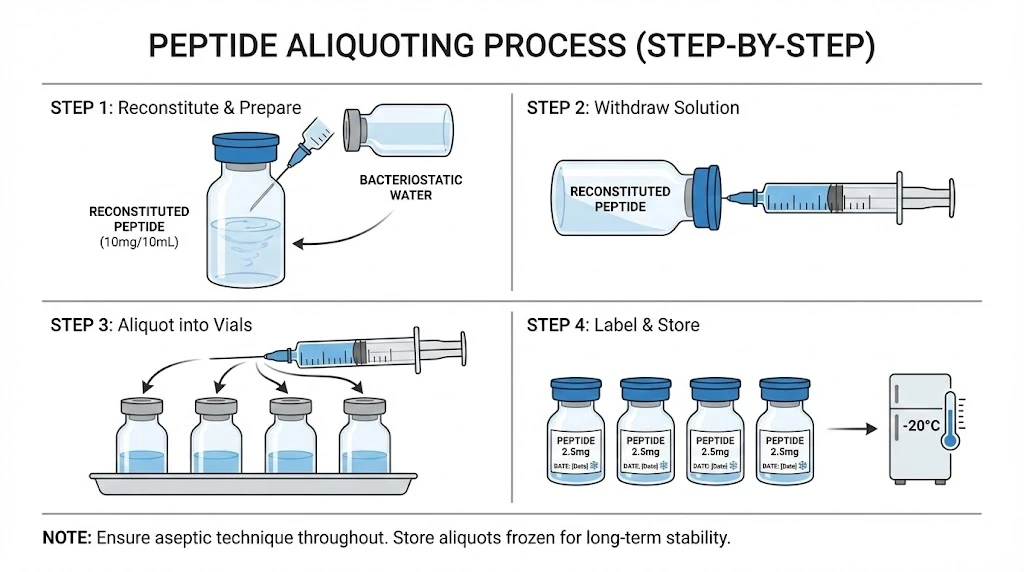
Reconstitution is the process of transforming a freeze-dried peptide powder into a usable liquid solution. Proper reconstitution is essential because peptide stability depends heavily on preparation technique. When reconstituting peptides, researchers must carefully add bacteriostatic water or another suitable solvent while avoiding agitation that could damage delicate peptide chains.
The peptide calculator plays a central role in this stage by helping determine the ideal dilution ratio. Researchers often select dilution levels that allow convenient measurement volumes. For instance, creating a solution where every syringe unit equals a predictable microgram amount simplifies dosing and minimizes measurement mistakes.
Once mixed, the peptide solution should be labeled with concentration details, preparation date, and peptide identity. Proper storage, usually under refrigerated conditions, helps maintain stability and prevent degradation.
Benefits of Using a Peptide Calculator
One of the greatest benefits of using a peptide calculator is accuracy. Because peptides operate within narrow dosage ranges, precision is essential for valid research outcomes. Automated calculations significantly reduce the likelihood of human error, allowing experiments to proceed with confidence.
Another benefit is consistency. Scientific research depends on reproducibility, meaning experiments must produce similar results when repeated under identical conditions. By using standardized calculations, researchers ensure each preparation maintains the same concentration profile.
Peptide calculators also improve workflow efficiency. Instead of manually calculating dilution formulas every time a peptide is prepared, researchers can obtain instant results and proceed quickly with experimental tasks. Additionally, the calculator supports better planning by allowing users to test multiple dilution scenarios before physically preparing the solution.
Types of Peptide Calculators
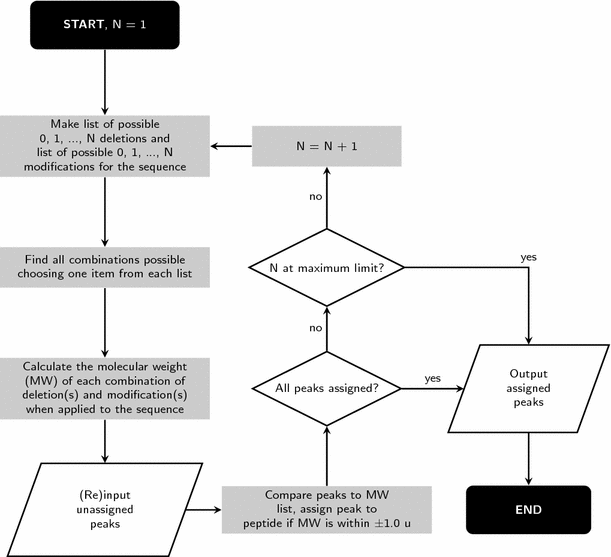
There are several types of peptide calculators designed for different research needs. Basic dosage calculators focus on reconstitution and injection measurements, making them ideal for beginners learning peptide preparation. More advanced molecular calculators analyze amino acid sequences to determine molecular weight, charge distribution, and chemical behavior.
Some calculators are specifically designed for peptide stacking protocols, allowing researchers to manage multiple compounds simultaneously. Others support peptide synthesis by predicting physical properties before laboratory production begins. Each type serves a unique role within peptide science, demonstrating how versatile calculation tools have become in modern research environments.
Common Peptide Calculation Errors
Despite the availability of calculators, certain mistakes still occur. One of the most common errors involves confusing milligrams and micrograms. Since one milligram equals one thousand micrograms, misinterpreting units can dramatically alter concentration levels. Another frequent mistake is choosing dilution volumes without first determining desired dosage convenience. Poor planning may lead to impractically small measurement volumes that are difficult to administer accurately.
Researchers sometimes overlook syringe unit conversions, forgetting that insulin syringes measure units rather than milliliters. A peptide calculator eliminates this confusion by automatically converting between measurement systems. Careful attention to units and consistent use of calculation tools helps prevent these errors.
Applications of Peptide Calculators in Research
Peptide calculators are used across numerous scientific disciplines. Biomedical researchers rely on them when studying growth hormone signaling, tissue repair mechanisms, metabolic pathways, and neurological processes. Analytical chemists use peptide calculators to prepare samples for spectroscopy and chromatography experiments. Biotechnology laboratories depend on these tools when designing synthetic peptides or evaluating structural properties.
Even educational settings benefit from peptide calculators, as students learning peptide science gain practical understanding of concentration dynamics through interactive calculation tools. By simplifying complex mathematical concepts, peptide calculators make advanced biochemical research more accessible.
Frequently Asked Questions About Peptide Calculators
Many beginners wonder whether manual calculation methods are sufficient. While manual calculations are possible, they introduce unnecessary risk compared to automated tools. Another common question concerns accuracy. When correct data is entered, peptide calculators provide extremely reliable results and are widely trusted within scientific communities.
Researchers also ask whether peptide calculators are limited to injectable preparations. In reality, these tools support a wide range of applications, including cell culture experiments and analytical sample preparation. Advanced calculators even allow users to input entire amino acid sequences to calculate chemical characteristics automatically.
Best Practices for Using a Peptide Calculator
Effective use of a peptide calculator begins with accurate data entry. Researchers should verify peptide quantity labels and carefully measure solvent volumes. Maintaining consistent dilution ratios across experiments improves comparability and simplifies future calculations. Proper documentation of concentration and preparation details ensures long-term research reliability.
Labeling vials clearly and storing peptide solutions under recommended conditions further supports stability. Researchers should avoid repeated dilution changes once a protocol is established, as consistency contributes significantly to reproducible scientific outcomes.
How Peptide Calculators Improve Research Quality
Peptide calculators enhance research quality by promoting precision and reducing variability. When dosing remains consistent, observed results more accurately reflect biological responses rather than preparation errors. This reliability strengthens experimental conclusions and supports scientific credibility.
Additionally, accurate calculations help conserve valuable peptide materials. Because peptides can be expensive to synthesize or acquire, minimizing waste benefits both research budgets and sustainability practices. Ultimately, the peptide calculator functions as a quality-control tool that safeguards experimental integrity.
The Future of Peptide Calculators
Technological advancement continues to transform peptide research tools. Future peptide calculators may integrate artificial intelligence capable of recommending optimal dilution strategies, predicting peptide stability, and automating laboratory workflows. Smart laboratory systems could eventually connect peptide calculators directly to digital pipettes and automated preparation devices, eliminating manual measurement entirely.
As peptide science expands into personalized medicine, regenerative research, and advanced biotechnology, the role of calculation tools will become even more significant. The peptide calculator is evolving from a simple math assistant into a comprehensive digital research companion.
Conclusion
The peptide calculator has become an essential component of modern peptide science. By simplifying complex calculations, improving accuracy, and supporting standardized research practices, it allows researchers to focus on discovery rather than mathematics. From beginners learning peptide preparation to advanced laboratories conducting sophisticated experiments, the peptide calculator ensures consistency and reliability at every stage.
At Peptides Lab, we believe education and precision are the foundation of responsible peptide research. Understanding how to use a peptide calculator effectively empowers researchers to achieve better outcomes, protect valuable materials, and maintain scientific integrity. As peptide research continues to advance, mastering calculation tools will remain a critical skill for anyone working within this rapidly growing field.
References
Hadley, M. E., & Hruby, V. J. Peptide structure and biological activity research studies.
Cone, R. D. Melanocortin and peptide signaling pathways.
NCBI Peptide Research Database — Peptide handling and preparation publications.
Journal of Peptide Science — Peptide synthesis and analytical methodologies.
Biochemical Protocol Standards for Peptide Reconstitution and Storage.