
MT-2 Peptide: Is This the Ultimate Sunless Tanning Solution in 2026?
The search term “MT-2 Peptide” is exploding in popularity as fitness enthusiasts, influencers, and everyday users hunt for a fast, UV-free way to achieve a deep, natural-looking tan. People are asking: What is MT-2 peptide and why is everyone talking about it? MT-2 peptide: Does it really deliver a deep natural tan without sunburn? And is this the best peptide for sunless tanning in 2026?
MT-2 (Melanotan II) is a synthetic peptide designed to mimic the body’s own alpha-melanocyte-stimulating hormone (α-MSH). It activates melanocortin receptors to ramp up melanin production—the pigment that gives skin its color. Originally researched for skin cancer prevention and photoprotection, it has become a go-to research peptide for cosmetic tanning, appetite control, and libido enhancement. Let’s break down the science, real-world results, safety profile, and practical advice in this complete guide.
What Is MT-2 Peptide and Why Is Everyone Talking About It?
MT-2 peptide is a cyclic heptapeptide analog of α-MSH. It was developed in the 1990s to stimulate melanin without relying heavily on sunlight. Unlike Melanotan 1 (which is more selective), MT-2 is a “super-agonist” that binds strongly to multiple melanocortin receptors (MC1R for tanning, MC3R/MC4R for appetite and libido effects).
Why is everyone talking about MT-2 peptide? Social media, bodybuilding forums, and tanning communities rave about its ability to produce a year-round golden glow with minimal sun exposure. In 2026, with growing awareness of UV damage and skin cancer risks, MT-2 offers an appealing alternative to tanning beds and messy self-tanners. Many users also report secondary perks like reduced appetite and increased sexual arousal—effects tied to its action on MC4R.
How Does MT-2 Peptide Work and What Results Can You Expect?
MT-2 works by binding to melanocortin-1 receptors in melanocytes (skin pigment cells), triggering eumelanin production—the dark pigment that protects against UV. This process happens even with little to no sun, though small amounts of UV amplify the effect dramatically.
What results can you expect? During a typical loading phase (0.25–0.5 mg injected daily for 7–14 days), fair-skinned individuals often see noticeable darkening in 7–10 days. Maintenance doses (100–250 mcg 2–3 times per week) keep the tan for months. Users commonly report:
- Even, bronze skin tone on face, arms, and torso
- Reduced tendency to burn in the sun
- Longer-lasting color compared to spray tans
Results vary by skin type (Fitzpatrick I–II see the biggest change) and UV exposure.
MT-2 Peptide: Does It Really Deliver a Deep Natural Tan Without Sunburn?
MT-2 peptide: Does it really deliver a deep natural tan without sunburn? Yes—for many users. Clinical studies and anecdotal reports show MT-2 increases melanin density, providing a natural-looking tan that develops gradually and appears more authentic than DHA-based self-tanners. When paired with brief sun or tanning-bed sessions, the tan becomes deeper and more even while potentially offering some photoprotection. However, it is not a sunscreen—UV protection is still essential.
MT-2 Peptide: Can It Give You a Beautiful Tan Without UV Exposure?
MT-2 peptide: Can it give you a beautiful tan without UV exposure? Partially. Because it directly stimulates melanin, some pigmentation occurs in complete darkness. Most users still combine it with minimal UV for faster, richer results. Pure sunless tanning is possible but slower and less dramatic than the classic “MT-2 + sun” protocol.
MT-2 Peptide: Is It Safe and Effective for Year-Round Golden Glow?
Safety is the biggest question. Common side effects during loading include nausea, facial flushing, yawning, fatigue, and appetite suppression. Some men experience spontaneous erections or increased libido. Skin-related effects: darkening of moles/freckles and occasional new mole formation.
More serious risks reported in literature include potential melanoma concerns, rhabdomyolysis, kidney issues, and priapism in rare cases. MT-2 peptide is not FDA-approved for cosmetic use and is sold strictly for research purposes only. Long-term safety data is limited, and health authorities (FDA, TGA, EMA) warn against unregulated use.
Is it effective for year-round golden glow? For short-to-medium cycles, many users achieve consistent color with far less UV than traditional tanning. However, effectiveness comes with trade-offs—regular mole monitoring and medical supervision are strongly recommended.
MT-2 Peptide: Is It Worth Buying for Fast Tanning Results?
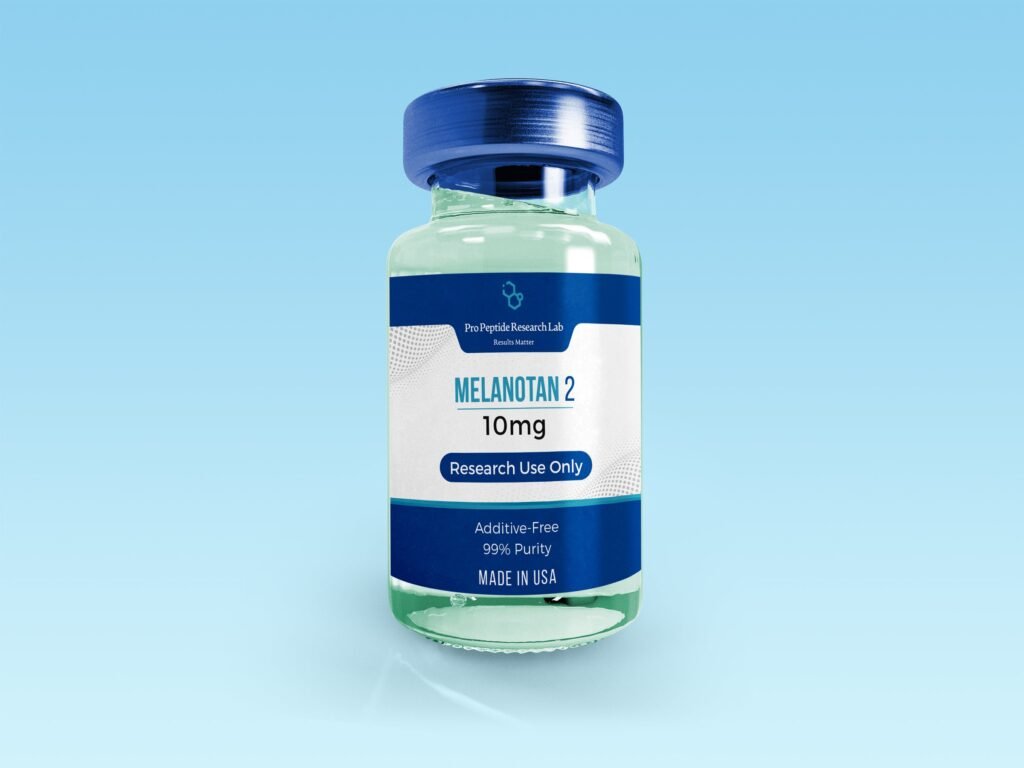
MT-2 peptide: Is it worth buying for fast tanning results? If your goal is rapid, UV-light tanning with minimal effort, many consider it worth exploring in a research context. A 10 mg vial typically costs $40–$80 and lasts 4–8 weeks depending on dosing. Compared to endless spray tans or tanning-bed memberships, it can be cost-effective—but only if you accept the unknown long-term risks.
MT-2 Peptide: What Are the Real Benefits and Potential Risks?
Real benefits:
- Fast, natural-looking tan
- Reduced UV exposure needed
- Possible appetite suppression and libido boost
- Convenience for year-round glow
Potential risks:
- Nausea and flushing (especially loading phase)
- Mole darkening or new moles
- Unknown long-term cancer risk
- Side effects from unregulated products (impurities, incorrect dosing)
Always start low (0.25 mg) and titrate slowly to minimize reactions.
MT-2 Peptide: How Quickly Can You See a Visible Tan?
MT-2 peptide: How quickly can you see a visible tan? Most users notice the first hints of color in 4–7 days, with a clear bronze tone by day 10–14 during loading. Full results depend on dosage, skin type, and UV. Maintenance keeps the tan visible indefinitely with 2–3 weekly injections.
MT-2 Peptide: Is This the Best Peptide for Sunless Tanning in 2026?
MT-2 peptide: Is this the best peptide for sunless tanning in 2026? For speed and potency, MT-2 remains the most popular research peptide in the tanning category. Newer analogs exist, but none have matched its widespread user feedback. Still, “best” depends on priorities—safety-focused users may prefer regulated self-tanners or professional spray tans instead.
Final Verdict: Should You Consider MT-2 Peptide?
MT-2 peptide can produce impressive sunless tanning results with relatively low UV requirements, making it appealing for those chasing a golden glow. However, its unregulated status, side-effect profile, and limited long-term safety data mean it is not a risk-free cosmetic solution. It is strictly a research chemical—never intended for human consumption.
If you decide to explore MT-2 peptide, work with a knowledgeable healthcare provider, source only 99%+ pure product with third-party COAs, monitor your skin closely, and discontinue at any sign of adverse effects. For most people, safer alternatives (professional spray tans, high-quality DHA tanners, or gradual sun exposure with SPF) remain the smarter choice for healthy, beautiful skin.
References
- Dorr RT, et al. (2004). Effects of a superpotent melanotropic peptide in combination with solar UV radiation. JAMA Dermatology.
- Brennan R, et al. (2015). An unhealthy glow? A review of melanotan use and associated clinical outcomes. Performance Enhancement & Health.
- WebMD. Melanotan – Uses, Side Effects, and More (2026 update).
- TGA & FDA safety communications on Melanotan II products.
- Clinical trial data on Melanotan II (e.g., Phase I pigmentation studies, 1990s–2000s).