
BLOG
CYS-CYS: Complete Guide to CYS CYS, CYS HCL, Benefits & Research Applications in 2026
Introduction
If you’ve come across the term CYS-CYS, you may be wondering:
- Is CYS CYS the same as cystine?
- What is CYS HCL?
- What are the benefits of CYS-HCL?
- How is CYS-CYS used in research and supplements?
CYS-CYS, commonly known as cystine, is one of the most important sulfur-containing amino acid compounds in biological systems. It plays a major role in protein structure, antioxidant systems, and cellular function.
Interest in CYS CYS and CYS HCL has grown rapidly among researchers, supplement manufacturers, and health enthusiasts due to their roles in amino acid metabolism and oxidative balance.
In this comprehensive guide from Peptides Lab, you’ll learn:
- CYS CYS structure and biological functions
- CYS HCL and how it differs from CYS-CYS
- Research applications
- Storage and stability
- Frequently asked questions
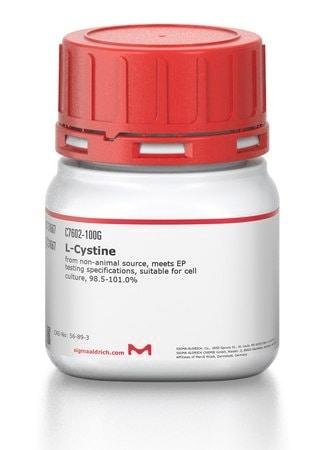
Featured Snippet: What Is CYS-CYS?
CYS-CYS, also known as cystine, is a sulfur-containing amino acid formed when two cysteine molecules are linked together by a disulfide bond. is important for protein structure, antioxidant defense, and cellular function and is widely studied in nutrition, biochemistry, and pharmaceutical research.
What Does CYS-CYS Mean?
The term CYS-CYS is shorthand for:
Cysteine + Cysteine = Cystine
Two cysteine molecules become linked through oxidation.
The resulting compound:
- Is called cystine
- Contains a disulfide bond
- Is more chemically stable than free cysteine
- Plays a key role in protein structure
This disulfide linkage is one of the most important chemical bonds found in proteins.
CYS-CYS Chemical Structure
CYS-CYS is formed when:
Two sulfur-containing cysteine molecules connect through:
–S–S–
This bond is known as a:
Disulfide Bridge
Disulfide bridges help:
- Stabilize proteins
- Maintain protein folding
- Increase resistance to degradation
- Support enzyme function
Many biological molecules depend on disulfide bonds to maintain their three-dimensional structure.
Why Is CYS-CYS Important?
CYS-HCL is involved in numerous biological processes.
1. Protein Stability
Disulfide bonds:
- Strengthen proteins
- Prevent unfolding
- Improve structural integrity
Examples include:
- Insulin
- Keratin
- Antibodies
- Growth factors
2. Antioxidant Function
It participates in antioxidant systems.
Researchers study its relationship with:
- Glutathione metabolism
- Oxidative stress
- Cellular defense mechanisms
3. Sulfur Metabolism
Acts as an important sulfur reservoir.
Sulfur is required for:
- Protein synthesis
- Enzyme activity
- Detoxification pathways
CYS CYS Amino Acid and Human Biology
Cystine is found naturally in:
Hair
Keratin proteins contain high levels of cystine.
This helps provide:
- Strength
- Elasticity
- Structural stability
Skin
Cystine contributes to:
- Protein formation
- Skin barrier function
- Tissue repair mechanisms
Nails
Disulfide bonds strengthen:
- Nail structure
- Resistance to breakage
What Is CYS HCL?
Another commonly searched term is:
CYS HCL
CYS HCL generally refers to:
L-Cysteine Hydrochloride
It is:
- A derivative of cysteine
- Water soluble
- Frequently used in supplements
- Common in laboratory research
CYS-CYS vs CYS HCL
Many people ask:
Is CYS-CYS the Same as CYS HCL?
The answer is:
No.
CYS-CYS:
- Two cysteine molecules
- Disulfide bond
- More stable
- Also known as cystine
CYS HCL:
- Single cysteine molecule
- Hydrochloride salt form
- Different chemical properties
- Often used in supplements
CYS HCL Benefits
Researchers are interested in CYS HCL because of:
Water Solubility
CYS HCL dissolves easily.
This makes it useful for:
- Laboratory solutions
- Dietary supplements
- Pharmaceutical research
Sulfur Source
Cysteine derivatives provide sulfur required for:
- Protein synthesis
- Enzyme production
- Antioxidant pathways
Precursor to Glutathione
Cysteine is an important precursor to:
Glutathione
One of the body’s major antioxidants.
Researchers continue to investigate:
- Cellular defense
- Oxidative stress
- Aging processes
CYS-CYS Benefits
Structural Protein Support
It is essential for:
- Hair proteins
- Skin proteins
- Nail proteins
Antioxidant Research
Scientists study CYS-HCL for its role in:
- Redox reactions
- Oxidative balance
- Cellular protection
Protein Folding
Disulfide bonds help:
- Stabilize enzymes
- Maintain protein structure
- Improve biological activity
CYS-CYS in Research
This remains an important compound in:
Biochemistry
Researchers investigate:
- Protein folding
- Enzyme activity
- Sulfur metabolism
Nutrition Research
Studies examine:
- Amino acid metabolism
- Nutritional supplementation
- Antioxidant systems
Pharmaceutical Development
Scientists use CYS-HCL to study:
- Drug formulations
- Peptide stabilization
- Protein therapeutics
CYS-CYS Supplement Applications
Cystine is commonly included in products related to:
- Hair health
- Skin health
- Nail support
- Amino acid complexes
- Antioxidant formulas
Researchers continue to explore:
- Bioavailability
- Stability
- Synergistic nutrient combinations
CYS HCL Uses
CYS HCL is often used in:
Supplements
Because of:
- High solubility
- Easy formulation
- Amino acid support
Cell Culture
Laboratories use cysteine derivatives in:
- Growth media
- Nutrient solutions
- Protein studies
Pharmaceutical Manufacturing
Applications include:
- Protein stabilization
- Antioxidant systems
- Research compounds
CYS-CYS Stability
Is generally:
- More stable than cysteine
- Resistant to oxidation
- Suitable for long-term storage
However, stability depends on:
- Temperature
- Moisture
- Oxygen exposure
- Light exposure
How Should CYS-CYS Be Stored?
Recommended storage conditions include:
Keep Dry
Moisture may affect:
- Purity
- Stability
- Shelf life
Protect From Heat
Store:
- At cool temperatures
- Away from direct sunlight
Use Airtight Containers
Minimize exposure to:
- Oxygen
- Humidity
- Environmental contaminants
Can CYS-HCL Be Synthesized?
Yes.
CYS-HCL may be:
Naturally Produced
Inside biological systems.
Chemically Synthesized
In laboratories.
Purified for Research
Researchers isolate and study:
- Structure
- Purity
- Biological activity
Frequently Asked Questions
What is CYS-CYS?
It is cystine, a sulfur-containing amino acid formed when two cysteine molecules join through a disulfide bond.
What does CYS CYS stand for?
It refers to:
Cysteine + Cysteine
which forms cystine.
Is CYS-CYS the same as CYS HCL?
No.
CYS-CYS is cystine.
CYS HCL is L-cysteine hydrochloride.
What are the benefits of CYS-CYS?
Researchers study CYS-CYS for:
- Protein stability
- Antioxidant function
- Hair and skin biology
- Sulfur metabolism
What is CYS HCL used for?
CYS HCL is commonly used in:
- Supplements
- Laboratory research
- Pharmaceutical development
Is CYS-HCL naturally found in the body?
Yes.
It is found in:
- Hair
- Skin
- Nails
- Proteins
- Various tissues
Why Researchers Choose Peptides Lab
Researchers looking for amino acids and research compounds often prioritize:
- High purity products
- Laboratory testing
- Educational resources
- Transparent product information
Peptides Lab offers:
- Research peptides
- Educational guides
- Peptide calculators
- Storage and handling resources
Explore more at:
Conclusion
CYS-CYS remains one of the most important sulfur-containing amino acid compounds studied today.
Understanding:
- CYS HCL differences
- Biological functions
- Research applications
- Storage and stability
can help researchers better appreciate the importance of cystine in biology, nutrition, and pharmaceutical science.
As interest in amino acid research continues to grow, CYS HCL are likely to remain important topics for scientists, supplement manufacturers, and health researchers around the world.
References
- Peptides Lab
- NIH PubMed – Cystine Research
- PubChem – L-Cystine
- Nature – Amino Acid Research
- NIH MedlinePlus – Amino Acids Overview
