
BLOG
How to Mix Peptides: Complete Peptide Reconstitution Guide
Introduction
If you’ve recently purchased research peptides, one of the first questions you may ask is how to mix peptides properly.
Peptides are commonly sold as lyophilized (freeze-dried) powders to maintain stability during transport and storage. Before use, these powders are mixed with a liquid, usually bacteriostatic water or sterile water, in a process known as peptide reconstitution.
Understanding how to reconstitute peptides correctly is essential because improper mixing can damage the peptide structure, reduce stability, or shorten shelf life.
This comprehensive guide explains:
- How to mix peptides step by step
- How to reconstitute peptides safely
- Reconstituting peptides with bacteriostatic water
- Peptides reconstitution best practices
- How long peptides last once reconstituted
- Proper storage methods
Whether you’re new to peptides or looking to improve your technique, this guide from Peptides Lab will walk you through everything you need to know.
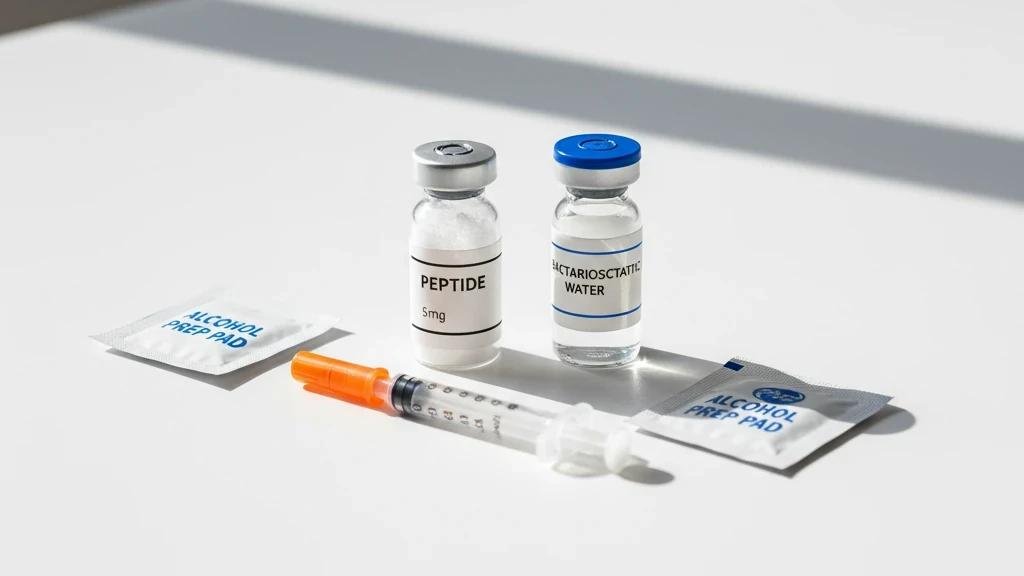
Featured Snippet: How to Mix Peptides
To mix peptides, add bacteriostatic water or sterile water slowly along the inside wall of the peptide vial. Avoid spraying water directly onto the powder. Gently swirl the vial until the powder dissolves completely. Do not shake aggressively, as this may damage delicate peptide structures.
What Does It Mean to Reconstitute Peptides?
Peptide reconstitution is the process of adding a sterile liquid to a lyophilized peptide powder.
The goal is to:
- Dissolve the peptide evenly
- Maintain stability
- Preserve peptide integrity
- Create the desired concentration
This process is important because peptides are sensitive molecules that can be affected by:
- Temperature
- Light exposure
- Agitation
- Improper storage
- Contamination
When performed correctly, reconstitution helps preserve peptide quality and consistency.
Why Are Peptides Sold as Powders?
Most peptides are supplied as freeze-dried powders because:
Longer Shelf Life
Lyophilized peptides are more stable than liquid solutions.
Better Temperature Stability
Dry peptides tolerate shipping and storage conditions more effectively.
Easier Transportation
Powders weigh less and are easier to package safely.
Reduced Degradation
Freeze-drying removes moisture, reducing hydrolysis and chemical breakdown.
Supplies Needed for Peptide Reconstitution
Before reconstituting peptides, gather the following:
Lyophilized Peptide Vial
Ensure the vial is:
- Properly sealed
- Stored correctly
- Within the recommended shelf life
Bacteriostatic Water
Bacteriostatic water is commonly used because it contains benzyl alcohol, which helps inhibit bacterial growth.
Sterile Syringe
A sterile syringe helps measure and transfer the liquid accurately.
Alcohol Swabs
Alcohol pads are used to disinfect:
- Vial stoppers
- Syringe surfaces
- Work areas
Refrigerator
Most reconstituted peptides should be stored in a refrigerator after mixing.
How to Mix Peptides Step by Step
If you’re wondering how to mix peptides, follow these general steps.
Step 1: Wash Your Hands
Clean hands help reduce contamination.
Prepare a clean work area and gather your supplies.
Step 2: Clean the Vial Tops
Use alcohol swabs to disinfect:
- Peptide vial stopper
- Bacteriostatic water vial stopper
Allow both surfaces to dry.
Step 3: Draw the Liquid
Use a sterile syringe to withdraw the desired amount of bacteriostatic water.
Avoid touching the needle.
Step 4: Slowly Inject the Liquid
Insert the needle into the peptide vial.
Inject the liquid slowly against the inner glass wall.
Avoid:
- Spraying directly on the powder
- Injecting too quickly
- Creating foam
Slow reconstitution helps protect peptide stability.
Step 5: Let the Powder Dissolve
Most peptides dissolve naturally within a few minutes.
If necessary:
- Gently swirl the vial
- Rotate slowly
Avoid:
- Vigorous shaking
- Excessive agitation
How to Reconstitute Peptides With Bacteriostatic Water
Bacteriostatic water is the most common reconstitution solution.
Benefits include:
Reduced Bacterial Growth
Benzyl alcohol helps limit contamination.
Longer Shelf Life
Reconstituted peptides often remain stable longer.
Convenient Storage
Bacteriostatic water is easy to store and use.
When reconstituting peptides:
- Keep everything sterile
- Use fresh needles
- Avoid repeated contamination
Peptides Reconstitution: Common Mistakes
Many beginners make avoidable mistakes.
Shaking the Vial
Aggressive shaking may:
- Damage delicate peptide chains
- Create bubbles
- Reduce stability
Using Hot Water
Heat may accelerate degradation.
Always use:
- Room temperature bacteriostatic water
- Proper storage temperatures
Touching the Needle
Needles should remain sterile.
Avoid:
- Touching the tip
- Placing it on surfaces
- Reusing contaminated syringes
Improper Storage
Many peptides require refrigeration after mixing.
Improper storage may shorten shelf life significantly.
Reconstitution Peptides: What Liquid Should You Use?
Two options are common:
Bacteriostatic Water
Contains:
- Sterile water
- 0.9% benzyl alcohol
Advantages:
- Longer storage
- Reduced contamination
- Widely recommended
Sterile Water
Contains:
- Purified sterile water
- No preservative
Advantages:
- Preservative-free
Disadvantages:
- Shorter shelf life after opening
- Greater contamination risk
How Long Do Peptides Last Once Reconstituted?
One of the most frequently asked questions is:
How long do peptides last once reconstituted?
Shelf life depends on:
- The peptide type
- Storage temperature
- Reconstitution solution
- Handling practices
Generally:
Refrigerated Peptides
Many peptides remain stable for:
- 14–30 days
- Occasionally longer depending on the compound
Room Temperature Storage
Not recommended.
Heat may:
- Accelerate degradation
- Reduce potency
- Increase contamination risk
Frozen Storage
Some peptides tolerate freezing.
However:
- Repeated freeze-thaw cycles should be avoided.
- Stability varies depending on the peptide.
How to Store Reconstituted Peptides
Proper storage is essential.
Refrigerate Immediately
Most reconstituted peptides are stored at:
2°C to 8°C
This helps:
- Maintain stability
- Reduce degradation
- Extend shelf life
Protect From Light
Store peptides:
- In dark containers
- Inside original packaging
- Away from direct sunlight
Avoid Frequent Temperature Changes
Repeated warming and cooling may affect stability.
Keep peptides:
- Refrigerated consistently
- Away from heat sources
Peptide Reconstitution Guide for Beginners
If you’re new to peptides, remember these simple rules:
Keep Everything Sterile
Always:
- Use alcohol swabs
- Wash your hands
- Use sterile syringes
Inject Water Slowly
Avoid:
- Foam formation
- Powder disruption
- High pressure injection
Never Shake Aggressively
Instead:
- Swirl gently
- Rotate slowly
- Let the powder dissolve naturally
Refrigerate After Mixing
Most peptides are more stable under refrigeration.
Why Peptide Quality Matters
Not all peptides are created equally.
A quality supplier should provide:
Certificate of Analysis
A COA verifies:
- Purity
- Identity
- Batch consistency
Laboratory Testing
Look for:
- Third-party testing
- Manufacturing transparency
- Storage guidelines
Proper Packaging
Peptides should arrive:
- Securely sealed
- Properly labeled
- Protected during transport
Buy Premium Research Peptides
Researchers looking for high-quality peptides often prioritize:
- Verified purity
- Secure packaging
- Educational resources
- Transparent product information
Peptides Lab provides educational content, peptide calculators, and research products designed to support the peptide research community.
Explore more at:
Frequently Asked Questions
How to mix peptides safely?
Use sterile equipment, inject bacteriostatic water slowly against the vial wall, and swirl gently until dissolved.
How to reconstitute peptides?
Add sterile liquid slowly to the peptide vial and allow the powder to dissolve naturally.
What is peptide reconstitution?
Peptide reconstitution is the process of adding liquid to lyophilized peptide powder to create a usable solution.
How long do peptides last once reconstituted?
Many peptides remain stable for approximately 14–30 days when refrigerated, although stability varies by compound.
Do reconstituted peptides need refrigeration?
Most peptides are stored at refrigerator temperatures between 2°C and 8°C after mixing.
Conclusion
Learning how to mix peptides is an essential skill for anyone working with research peptides.
By understanding:
- How to reconstitute peptides
- Peptides reconstitution best practices
- Proper storage techniques
- How long peptides last once reconstituted
you can help preserve peptide stability and maintain product quality.
Following sterile techniques, using bacteriostatic water, and storing peptides correctly are among the most important steps in any peptide reconstitution guide.
For peptide calculators, research guides, and premium research peptides, visit Peptides Lab and explore a growing collection of educational peptide resources.
References
- General principles of peptide reconstitution and handling from peptide chemistry literature.
- Reviews on lyophilized peptide stability and storage practices.
- Research discussing bacteriostatic water and sterile water applications in peptide preparation.
- Scientific reviews on peptide stability, degradation, and storage conditions.
