
BLOG
How to Mix BPC 157: Complete BPC 157 Reconstitution Guide
Introduction
If you’re searching for how to mix BPC 157, you’re not alone. Questions such as “How to reconstitute BPC 157 5mg?”, “How much bacteriostatic water to mix with 5mg of BPC-157?”, and “What is the best way to reconstitute BPC 157?” are among the most common questions asked by peptide researchers.
BPC 157 is commonly sold as a lyophilized (freeze-dried) powder. Before use, it must be mixed with a sterile solution such as bacteriostatic water or sterile water. This process is called BPC 157 reconstitution.
In this guide, you’ll learn:
- How to mix BPC 157 step by step
- BPC 157 5mg reconstitution methods
- How much bacteriostatic water to mix with 5mg of BPC-157
- How to reconstitute 5mg of BPC 157 safely
- Storage and shelf life recommendations
- Common mistakes to avoid
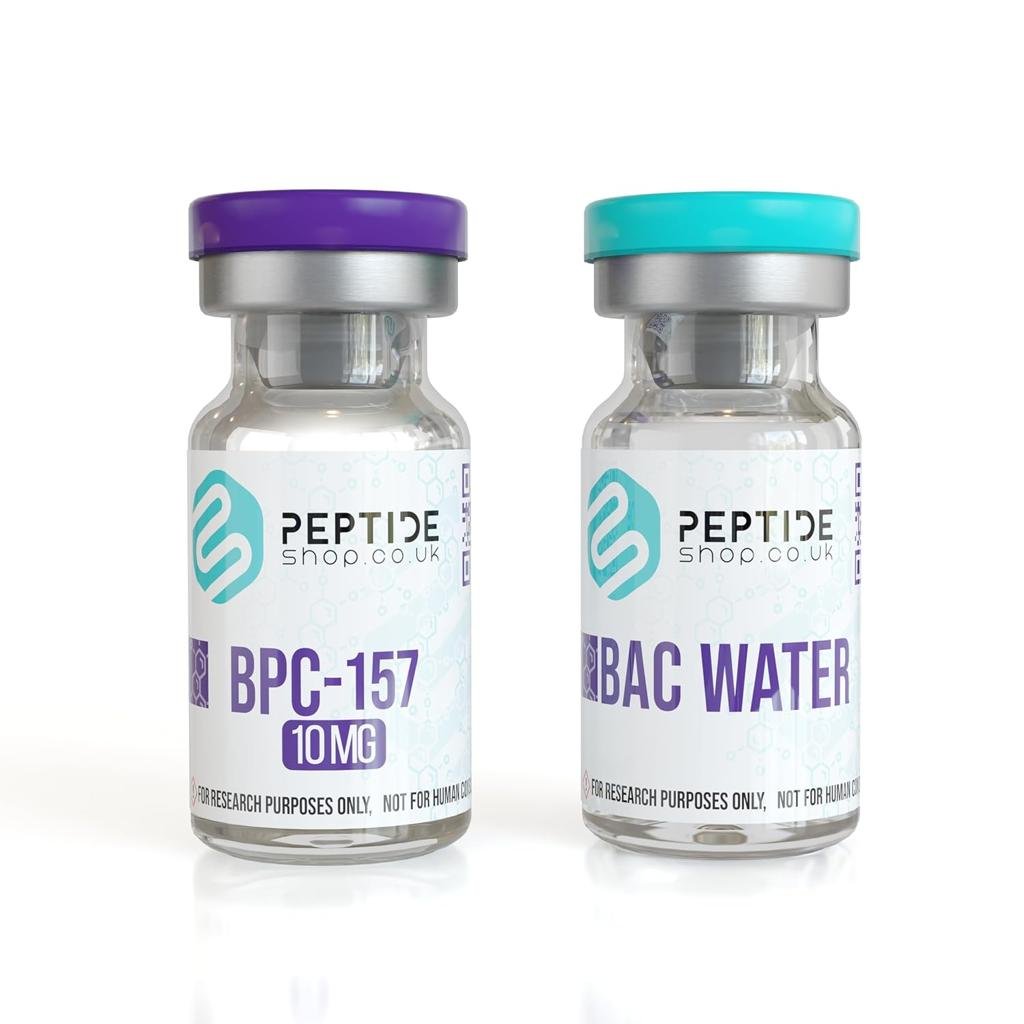
Featured Snippet: How to Mix BPC 157
To mix BPC 157, slowly add bacteriostatic water along the inside wall of the peptide vial. Avoid spraying directly onto the powder. Gently swirl the vial until the powder dissolves completely. Do not shake aggressively, as this may damage delicate peptide structures. Refrigerate the reconstituted peptide after mixing.
What Is BPC 157?
BPC 157, or Body Protection Compound 157, is a synthetic peptide derived from a naturally occurring protective protein found in gastric juice.
Researchers are interested in BPC 157 because of:
- Its stability compared with many peptides
- Its broad research applications
- Ease of storage in lyophilized form
- Availability from research peptide suppliers
Most BPC 157 products are supplied as:
- 5mg lyophilized vials
- 10mg lyophilized vials
- Capsules
- Nasal sprays
The most common format remains the 5mg lyophilized vial.
Why Does BPC 157 Need Reconstitution?
Lyophilization removes water from the peptide, making it more stable during storage and transportation.
Reconstitution is performed to:
- Dissolve the peptide powder
- Prepare the desired concentration
- Preserve stability
- Enable accurate measurements
Without proper reconstitution, peptide stability and consistency may be affected.
Supplies Needed for BPC 157 Reconstitution
Before mixing BPC 157, gather:
1. BPC 157 Vial
Usually:
- 5mg vial
- Freeze-dried powder
- Properly sealed
2. Bacteriostatic Water
Most researchers prefer bacteriostatic water because:
- It contains benzyl alcohol
- Helps inhibit bacterial growth
- Extends usability after opening
3. Sterile Syringe
Used for:
- Measuring liquid
- Controlled injection
- Maintaining sterility
4. Alcohol Swabs
Used to disinfect:
- Vial stoppers
- Syringe surfaces
- Workspace
How to Mix BPC 157 Step by Step
Step 1: Wash Your Hands
Prepare a clean workspace.
Disinfect surfaces and gather all supplies.
Step 2: Clean the Vial Tops
Use alcohol pads to clean:
- BPC 157 vial
- Bacteriostatic water vial
Allow both stoppers to dry.
Step 3: Draw the Water
Using a sterile syringe:
Withdraw the desired amount of bacteriostatic water.
Avoid touching:
- The needle tip
- The syringe opening
Step 4: Inject the Water Slowly
Insert the needle carefully.
Inject the liquid:
- Slowly
- Along the inside wall
- Away from the peptide powder
Avoid:
- High pressure
- Foam formation
- Spraying directly on the powder
Step 5: Allow the Powder to Dissolve
Most BPC 157 powders dissolve naturally.
You may:
- Swirl gently
- Rotate slowly
Do NOT:
- Shake aggressively
- Vigorously mix
BPC 157 5mg Reconstitution
One of the most searched questions online is:
How to Reconstitute BPC 157 5mg?
The general process is simple:
- Clean vial tops.
- Draw bacteriostatic water.
- Inject slowly along the vial wall.
- Allow the powder to dissolve.
- Refrigerate after mixing.
The amount of liquid added depends on the concentration you wish to achieve.
How Much Bacteriostatic Water to Mix With 5mg of BPC-157?
This is perhaps the most common BPC 157 question.
Researchers choose different volumes based on:
- Desired concentration
- Ease of measurement
- Personal preference
- Research protocols
Common mixing volumes include:
- 1 mL
- 2 mL
- 2.5 mL
- 5 mL
Each creates a different concentration.
Many researchers prefer volumes that make calculations easier and allow precise measurements.
Reconstituting BPC 157: Common Mistakes
Shaking the Vial
Aggressive shaking may:
- Damage peptide chains
- Create bubbles
- Reduce stability
Swirl gently instead.
Using Hot Water
Never use:
- Hot water
- Heated solutions
Heat may accelerate degradation.
Improper Storage
BPC 157 should generally be:
- Refrigerated after mixing
- Stored between 2°C and 8°C
- Protected from sunlight
Contaminating the Needle
Always:
- Use sterile syringes
- Avoid touching needles
- Keep work surfaces clean
Bacteriostatic Water vs Sterile Water
Bacteriostatic Water
Advantages:
- Contains preservative
- Reduces bacterial growth
- Longer usability
Commonly preferred for:
- Multi-use vials
- Longer storage periods
Sterile Water
Advantages:
- Preservative-free
Disadvantages:
- Shorter shelf life
- Higher contamination risk
How Long Does Reconstituted BPC 157 Last?
Storage life depends on:
- Temperature
- Reconstitution solution
- Sterility
- Storage conditions
Many researchers refrigerate BPC 157 immediately after mixing.
Recommended practices include:
- Store at 2–8°C
- Keep away from light
- Avoid repeated warming
- Maintain sterile handling
Proper storage helps preserve peptide stability and quality.
How to Store Reconstituted BPC 157
Refrigerate Immediately
The ideal temperature is:
2°C to 8°C
Standard refrigerator temperatures are generally recommended.
Protect From Light
Store:
- In dark containers
- Inside original packaging
- Away from sunlight
Avoid Temperature Fluctuations
Frequent warming and cooling may:
- Reduce stability
- Accelerate degradation
Keep storage conditions consistent.
Signs That BPC 157 Has Gone Bad
Discard the vial if you notice:
- Cloudiness
- Color changes
- Floating particles
- Unusual odor
- Visible contamination
When in doubt, replace the vial with a fresh preparation.
Why Peptide Quality Matters
Choosing a reputable supplier is important.
Look for:
Certificate of Analysis (COA)
A COA helps verify:
- Purity
- Identity
- Batch consistency
Third-Party Testing
Independent testing adds transparency and confidence.
Proper Packaging
A quality supplier should provide:
- Secure packaging
- Storage recommendations
- Clear labeling
Buy Premium BPC 157 Online
Researchers searching for premium peptides often prioritize:
- High purity products
- Transparent testing
- Educational resources
- Secure ordering
At Peptides Lab, you’ll find peptide guides, calculators, and educational resources designed for peptide researchers looking to learn more about compounds such as BPC 157.
Visit:
Frequently Asked Questions
How to mix BPC 157?
Add bacteriostatic water slowly along the inside wall of the vial and swirl gently until dissolved.
How to mix BPC157 safely?
Use sterile equipment, avoid shaking, and refrigerate after reconstitution.
How to reconstitute 5mg of BPC 157?
Clean the vial tops, draw sterile liquid, inject slowly, and allow the powder to dissolve naturally.
How much bacteriostatic water to mix with 5mg of BPC-157?
Researchers use different volumes depending on their desired concentration and measurement preferences.
Does BPC 157 need refrigeration after mixing?
Most reconstituted peptides are stored under refrigeration to maintain stability.
Conclusion
Learning how to mix BPC 157 is an important part of peptide handling.
Understanding:
- BPC 157 5mg reconstitution
- How to reconstitute BPC 157 5mg
- How much bacteriostatic water to mix with 5mg of BPC-157
- Proper storage methods
- Best reconstitution practices
can help preserve peptide quality and improve consistency.
For more peptide guides, calculators, and educational resources, visit Peptides Lab and explore our growing peptide knowledge base.
