
BLOG
How to Reconstitute PT 141: Complete PT-141 Mixing & Reconstitution Guide
Introduction
If you’ve been researching PT-141, you’ve probably come across questions such as how to reconstitute PT 141, how to mix PT 141, and what does PT 141 reconstitution involve?
PT-141, also known as Bremelanotide, is commonly supplied as a lyophilized (freeze-dried) peptide powder. Because it is shipped in powder form, it must first be mixed with a sterile solution before use in research settings. This process is known as PT 141 reconstitution.
In this guide, we’ll cover:
- How to reconstitute PT 141
- How to mix PT 141 safely
- PT 141 storage best practices
- PT-141 dosage chart terminology
- PT-141 dosage in units and mL explained
- Common mistakes to avoid
- Frequently asked questions
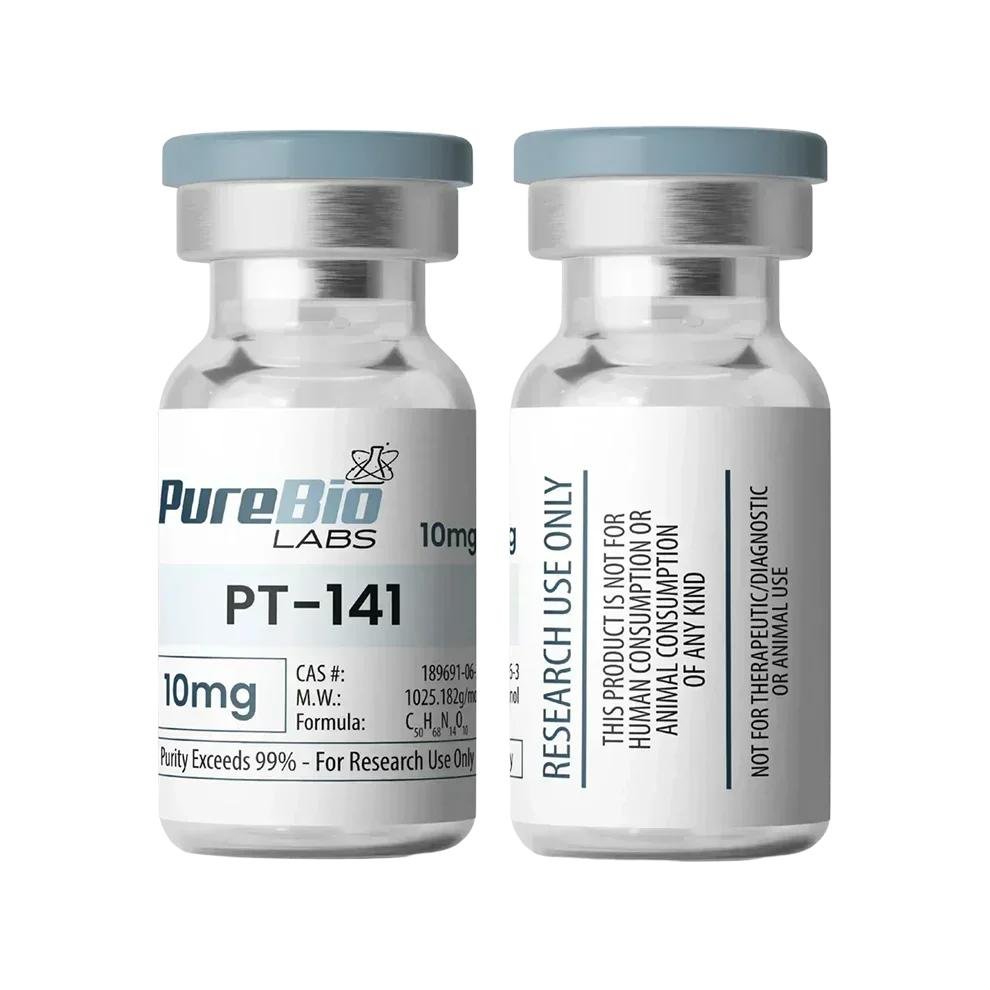
Featured Snippet: How to Reconstitute PT 141
PT 141 is commonly supplied as a lyophilized peptide powder and is reconstituted by slowly adding a sterile diluent, such as bacteriostatic water, along the inside wall of the vial. The vial is then gently swirled until the powder dissolves completely. Avoid shaking aggressively and store the reconstituted solution according to the supplier’s instructions.
What Is PT-141?
PT-141, also called Bremelanotide, is a synthetic peptide originally developed from melanocortin receptor research.
Researchers are interested in PT-141 because of:
- Its unique mechanism of action
- Stability in lyophilized form
- Growing scientific literature
- Availability through peptide research suppliers
PT-141 is commonly sold as:
- Lyophilized powder
- Multi-milligram research vials
- Laboratory-grade research peptides
Because peptides are delicate molecules, they are often freeze-dried to improve storage stability.
Why Does PT 141 Need Reconstitution?
The purpose of reconstitution is to convert the freeze-dried powder into a liquid solution for research applications.
Benefits of lyophilization include:
Longer Shelf Life
Freeze-dried peptides are generally more stable than liquid preparations.
Improved Shipping Stability
Dry peptides tolerate transportation better than pre-mixed solutions.
Reduced Degradation
Removing moisture helps slow down hydrolysis and chemical breakdown.
How to Mix PT 141
If you’re wondering how to mix PT 141, the process generally follows these steps:
Step 1: Prepare a Clean Workspace
Before handling peptides:
- Wash your hands thoroughly.
- Disinfect work surfaces.
- Gather all required materials.
Step 2: Clean the Vial Tops
Use alcohol swabs to clean:
- PT-141 vial stopper
- Diluent vial stopper
Allow both to dry before proceeding.
Step 3: Draw the Diluent
Using a sterile syringe:
- Draw the desired amount of sterile diluent.
- Avoid touching the needle.
- Keep all equipment sterile.
Step 4: Slowly Add the Liquid
Inject the liquid slowly against the inner wall of the PT-141 vial.
Avoid:
- Spraying directly onto the powder
- High-pressure injection
- Foam formation
Step 5: Allow the Powder to Dissolve
Most peptides dissolve naturally after a short period.
You may:
- Swirl gently
- Rotate slowly
Avoid:
- Vigorous shaking
- Excessive agitation
PT 141 Reconstitution: Best Practices
Good peptide handling practices include:
Keep Everything Sterile
Always:
- Use sterile syringes
- Clean vial tops
- Work in a clean environment
Protect the Peptide
Avoid:
- Excessive heat
- Direct sunlight
- Frequent temperature changes
Follow Supplier Instructions
Every product may have different:
- Storage requirements
- Concentrations
- Stability characteristics
PT-141 Dosage Chart: What Does It Mean?
Many users search for a PT-141 dosage chart.
In general, dosage charts are educational tools used to explain:
- Concentration
- Volume measurements
- Unit conversions
- Relationship between mg and mL
However, the appropriate amount for any individual depends on factors outside the scope of a general guide.
For this reason, educational articles often focus on:
- Safe handling
- Proper storage
- Reconstitution techniques
- Understanding measurements
PT-141 Dosage in Units
Another popular search is:
What Is PT-141 Dosage in Units?
“Units” usually refer to markings on insulin syringes or other measuring devices.
The number of units depends on:
- Peptide concentration
- Volume of diluent added
- Syringe calibration
Different mixing ratios produce different unit measurements.
Understanding concentration is often more important than memorizing a fixed number.
PT-141 Dosage in mL
What Does PT-141 Dosage in mL Mean?
mL (milliliters) refers to the amount of liquid in the vial.
The final volume depends on:
- Original peptide amount
- Reconstitution volume
- Desired concentration
Researchers often use calculators or charts to understand these relationships.
Common PT 141 Reconstitution Mistakes
Shaking the Vial
Aggressive shaking may:
- Damage peptide structure
- Create foam
- Reduce stability
Swirl gently instead.
Using Unsterile Equipment
Always use:
- Sterile syringes
- Clean surfaces
- Alcohol swabs
Contamination can affect peptide quality.
Improper Storage
After reconstitution:
- Follow supplier storage instructions.
- Avoid temperature extremes.
- Protect the vial from light.
How to Store Reconstituted PT 141
Storage is an important part of peptide stability.
General recommendations include:
Refrigeration
Many reconstituted peptides are stored under refrigeration to help maintain stability.
Protect From Light
Store:
- In dark environments
- Inside original packaging
- Away from direct sunlight
Avoid Repeated Temperature Changes
Frequent warming and cooling may affect:
- Stability
- Shelf life
- Consistency
Why Peptide Quality Matters
Choosing a reliable supplier is important.
Look for:
Certificate of Analysis (COA)
A COA may provide information about:
- Purity
- Identity
- Batch consistency
Transparent Information
Reliable suppliers provide:
- Storage recommendations
- Product specifications
- Educational resources
Third-Party Testing
Independent testing can improve confidence in product quality.
Why Researchers Choose Peptides Lab
Peptides Lab provides:
- Educational peptide guides
- Research resources
- Peptide calculators
- Product information
- Storage and reconstitution articles
Researchers looking to learn more about peptides can explore a growing collection of educational content and research products.
Frequently Asked Questions
How to reconstitute PT 141?
PT-141 is generally reconstituted by slowly adding a sterile diluent to the lyophilized powder and gently swirling until dissolved.
How to mix PT 141 safely?
Use sterile equipment, inject the liquid slowly, avoid shaking, and follow storage instructions.
What is PT 141 reconstitution?
PT 141 reconstitution is the process of mixing a freeze-dried PT-141 powder with a sterile liquid to create a solution.
What is a PT-141 dosage chart?
A dosage chart is an educational tool used to explain concentrations, volumes, and measurement units.
What does PT-141 dosage in mL mean?
It refers to the liquid volume associated with a particular peptide concentration after reconstitution.
Conclusion
Learning how to reconstitute PT 141 is an important part of peptide education.
By understanding:
- How to mix PT 141
- PT 141 reconstitution basics
- PT-141 dosage chart terminology
- PT-141 dosage in units and mL
- Storage and handling best practices
researchers can better understand how peptides are prepared and stored.
For more peptide guides, calculators, and educational resources, visit Peptides Lab and explore our growing peptide knowledge base.
